The Listening Room
Conversation is another way of seeing.
Listening is not passive here.
It is sustained attention to another person: the pause after the answer, the change in tone, the pressure behind the story, the lesson inside failure, the moment a person starts saying the truer thing.
This room holds podcast episodes, interviews, broadcasts, and long-form conversations as part of the same field.
An owned teaching field.
The Journey Podcast is not only an episode feed.
It is a long-form teaching field: goals, planning, practice, pressure, self-analysis, awareness, and the ways shooters learn to observe themselves more honestly.
S1:E2 - Setting Goals and Building a Plan
A foundation episode on goal setting, product goals, process goals, self-analysis, and building a plan that can actually guide the season.
S1:E3 - Understanding the Mental Component to Optimizing Practice
A deeper episode on practice, learning, value placement, open-loop skills, failure, and why shooters can reinforce the wrong pattern while thinking they are improving.
S1:E4 - How to Create the Perfect Practice Plan
A practical extension of the practice series, moving from theory into structured sessions, specific focus, self-awareness, and post-shot analysis.
The podcast teaches the listener how to listen to their own game.
Conversation as live diagnosis.
The Curtis Dunbar series gives the page a different kind of listening: not a lecture, but a long conversation where awareness, vision, mechanics, emotional state, and tournament pressure are worked through in real time.
Some truths only appear when the conversation is allowed to stay open.
S2:E2 - Tournament Process and Self-Awareness
How score, process, emotional state, and the body of work around a round change what a shooter can learn.
S2:E3 - Vision, Mechanics, and the Glasses Story
A conversation around visual attention, familiarity, target connection, and what a shooter can feel even when normal seeing is disrupted.
S2:E4 - Mental State, Vision, and Tournament Pressure
A deeper pass through external distraction, internal attention, emotional state, and the way vision changes under pressure.
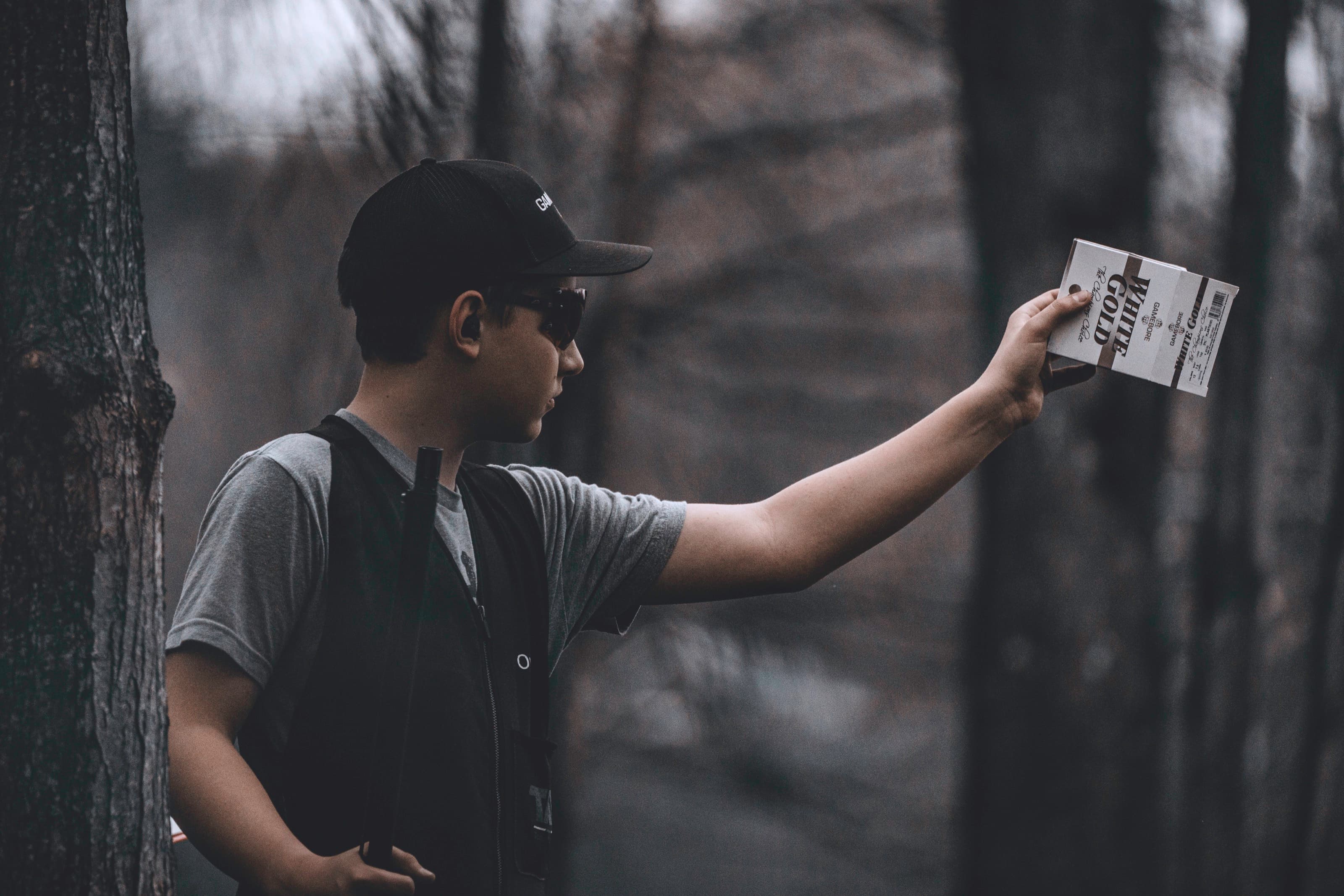
When a round begins to teach.
The Dawson Palmer pressure episode belongs here because it shows a young shooter inside a pressure line: a good score, a threatened result, the pull toward defense, and the possibility of turning the round into evidence instead of collapse.

S2:E6 - Dealing with Sunday Match Pressure & Being Clutch
A conversation about pressure, first results, presence, and what a breakthrough can teach when the shooter is willing to observe it.
The wider media field.
David's voice also appears outside his own podcast: coaching conversations, sport analysis, mental focus discussions, broadcast work, Wingshooting crossover, and industry media.
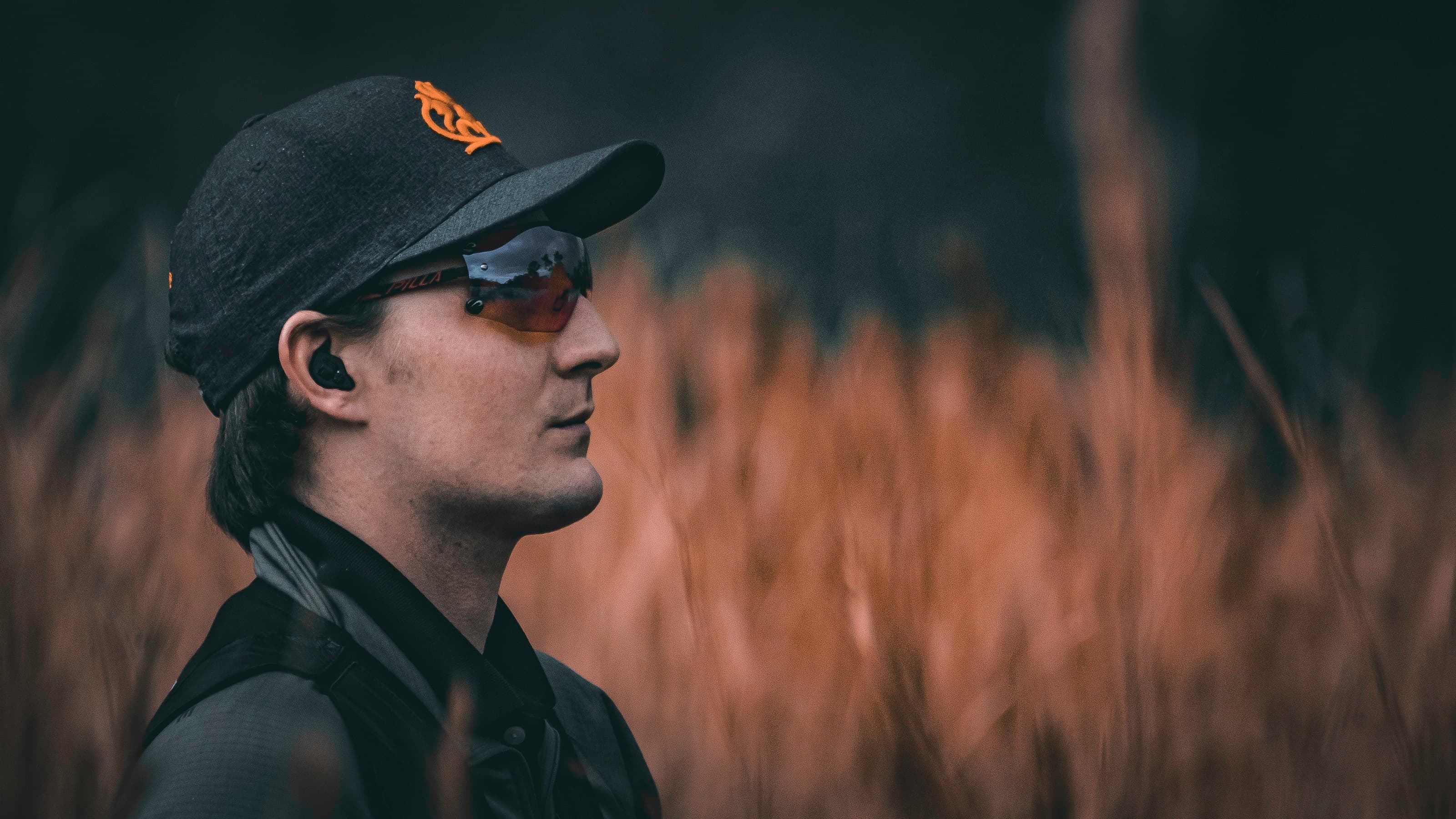
Behind the Break
Long-form clay-target conversations, Q&A, coaching talk, and figures from inside the sport.
Shotgun Sports USA
Professional shooter, coach, club, and technique conversations.
The Dead Pair
Coaching debates, mental focus, clinics, major-shoot analysis, The Champions Network launch, and ongoing sport commentary.
California Clays
World FITASC champion context and public-facing sport discussion.
Birdshot / Project Upland
Wingshooting crossover and broader field-sport conversation.
The Champions Network
Live coverage, discussion, interviews, Q&A, and the media layer around major sporting clays events.
Listening guides for selected conversations.
The page can be entered by topic, not only by episode order.
These paths keep the source material close while helping a listener choose the question they want to follow.
- Build a season plan: S1:E2, S1:E3, S1:E4
- Watch practice change: S1:E3, S1:E4
- Study awareness under score pressure: S2:E2, S2:E4, S2:E6
- Follow visual attention: S2:E3, S2:E4
Setting Goals and Building a Plan
Listen for the difference between a result someone wants and a process they can actually practice.
Understanding the Mental Component
Listen for the way practice can reinforce the wrong thing when the shooter values the break more than the movement.
How to Create the Perfect Practice Plan
Listen for the move from a general wish to a structured session: one focus, honest feedback, and a way to study what happened after the shot.
Tournament Process and Self-Awareness
Listen for the shift from score as identity to score as one piece of evidence.
Vision, Mechanics, and the Glasses Story
Listen for the difference between normal sight and useful connection: the kind of seeing a shooter can still feel when familiar inputs change.
Mental State, Vision, and Tournament Pressure
Listen for the way external distraction, internal attention, and emotional state change what the shooter can see under pressure.
Dealing with Sunday Match Pressure & Being Clutch
Listen for the point where protecting a result becomes less useful than staying present enough to learn from the round.

Bring a better question to the conversation.
The best conversations do not make the person smaller than their resume.
They stay long enough for the useful thing to surface.